
Choosing the right facial serum can feel confusing when skincare shelves are filled with products designed for hydration, brightness, smoother texture, and other skin concerns. A serum is usually a lightweight skincare product formulated with selected ingredients to complement your regular cleansing and moisturizing routine. However, the best option depends on your skin type, personal goals, ingredient preferences, and tolerance. Understanding what a serum is designed to do can help you avoid buying products that do not suit your needs.
Rather than choosing a serum because it is popular, start by identifying one concern you want to address. Then review the formula, directions, and compatibility with your existing products. SKINN offers several facial treatments and serums that shoppers can compare when exploring options for a more personalized skincare routine.
What Is a Facial Serum?
A facial serum is a skincare formulation designed to deliver specific ingredients to the skin. Depending on its composition, it may focus on hydration, the appearance of uneven tone, or visible signs of aging.
Serums vary in texture and formula. Their ingredients and purpose matter more than the label “serum.”
A serum generally complements rather than replaces the basics of skincare. Cleansing, moisturizing, and daily sun protection remain important even when you introduce a targeted treatment.
How to Choose a Serum for Your Main Skin Concern
For Dry or Dehydrated Skin
If your skin feels tight, rough, or temporarily looks less plump, consider a serum formulated for hydration. Ingredients such as hyaluronic acid and glycerin are commonly used in skincare products to help attract and retain moisture.
A hydrating serum works best as part of a routine that also includes a suitable moisturizer. The moisturizer helps reduce water loss, while the serum adds another layer of targeted care. Check the product instructions to understand how and when to apply it.
For Dull-Looking Skin
Dullness can have several causes, including dryness, accumulated dead skin cells, and environmental exposure. Some serums contain ingredients such as vitamin C that are used in products designed to improve the appearance of brightness and uneven skin tone.
When comparing brightening serums, review the full ingredient list and the manufacturer’s guidance. Start cautiously if you have sensitive skin, because certain formulas can cause irritation.
For Uneven Skin Tone
If your concern is the appearance of dark spots or uneven pigmentation, look for products specifically formulated for that purpose. Vitamin C, niacinamide, and other cosmetic ingredients may be included in tone-focused skincare formulas.
Results depend on the formulation, how consistently the product is used, and the reason for the discoloration. Daily broad-spectrum sunscreen is particularly important when addressing visible uneven tone because ultraviolet exposure can worsen pigmentation.
For Visible Signs of Aging
Fine lines, changes in texture, and reduced-looking firmness can influence which serum you choose. Some treatments are marketed for the appearance of these concerns, but no serum can guarantee that wrinkles will disappear or stop developing.
Choose a formula with clearly described ingredients and realistic product directions. If your routine already includes active ingredients, introduce additional treatments gradually rather than layering several new formulas immediately.
How to Apply a Facial Serum Correctly
Using a serum in the right order can help you maintain a consistent routine.
- Cleanse your face: Remove makeup, excess oil, and everyday residue with a suitable cleanser.
- Apply your serum: Follow the product instructions for the recommended amount and application method.
- Moisturize: Apply a moisturizer to help maintain skin hydration.
- Use sunscreen in the morning: Finish your daytime routine with broad-spectrum SPF 30 or higher.
Some products are intended for use only at particular times or on alternate days. Follow the label rather than assuming every serum can be applied morning and evening.
If you have sensitive skin, patch-test a new product before incorporating it into your routine. Avoid introducing multiple active treatments simultaneously, as this makes it harder to identify the cause if irritation develops.
Exploring Facial Serums at SKINN
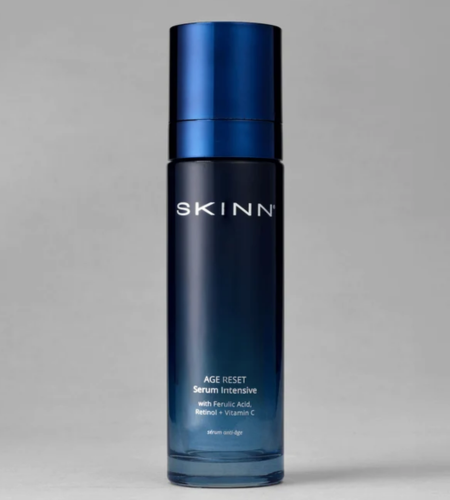
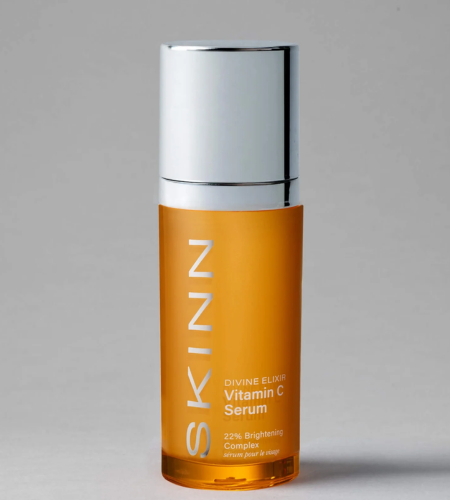
SKINN offers facial skincare products, including targeted treatments and serums for different skincare preferences. Its current selection includes the Age Reset Serum Intensive and Divine Elixir Vitamin C Serum.
The Divine Elixir Vitamin C Serum targets brighter-looking skin and uneven tone. Check its ingredients and usage directions to see if it suits your routine.
The Age Reset Serum Intensive is another option to investigate when comparing targeted facial treatments. Consider its intended purpose and how it fits with the products you already use instead of assuming that a higher-priced serum will necessarily work better for your skin.
When comparing SKINN products, consider these factors:
- Purpose: Identify the main concern the serum is designed to address.
- Ingredients: Check the formula for ingredients that match your preferences and needs.
- Compatibility: Consider how it fits with your cleanser, moisturizer, and other treatments.
- Budget: Compare the current price with the amount of product supplied and your expected usage.
- Instructions: Review application guidance, warnings, and any recommendations for gradual introduction.
SKINN also provides a skincare quiz for shoppers who need help narrowing down their options. Treat its suggestions as a starting point and review the individual product details before making a decision.
Common Mistakes When Choosing a Serum
One common mistake is choosing several products with overlapping purposes. A simpler routine can make it easier to determine which formulas suit your skin.
Another mistake is expecting immediate, dramatic changes. Cosmetic results vary depending on the product, the concern being addressed, and individual skin characteristics. Consistent use does not guarantee identical results for everyone.
Finally, avoid selecting a serum based only on social media trends or marketing language. Ingredient transparency, appropriate directions, and compatibility with your routine provide a more useful basis for comparison.
Frequently Asked Questions
Can beginners use a facial serum?
Yes. Beginners can start with a serum that addresses one specific concern. Introduce it gradually and follow the product’s directions.
Should serum be applied before or after moisturizer?
Many lightweight serums are applied before moisturizer. However, the correct order can depend on the formulation, so check the manufacturer’s instructions.
Can you use vitamin C serum every day?
Some vitamin C serums are designed for regular use, but suitability depends on the formula and your skin’s tolerance. Follow the label and reduce or stop use if irritation occurs.
Is serum necessary in every skincare routine?
No. A basic routine of cleansing, moisturizing, and sun protection can be sufficient. A serum is an optional addition for people seeking targeted care.
How do you choose a serum for sensitive skin?
Look for clear ingredient information, avoid known irritants, and introduce one product at a time. Patch testing may help identify potential reactions but cannot guarantee that irritation will not occur.
Conclusion
Choosing the right facial serum starts with understanding your skin concern, comparing ingredients, and setting realistic expectations. Hydration, brightness, and visible signs of aging may call for different formulations, so focus on a product’s intended purpose rather than its popularity.
SKINN offers options such as the Divine Elixir Vitamin C Serum and Age Reset Serum Intensive for shoppers exploring targeted skincare. Review the current product details and select a formula that complements your existing routine. A thoughtful, consistent approach can make skincare simpler and help you make more informed product choices.