
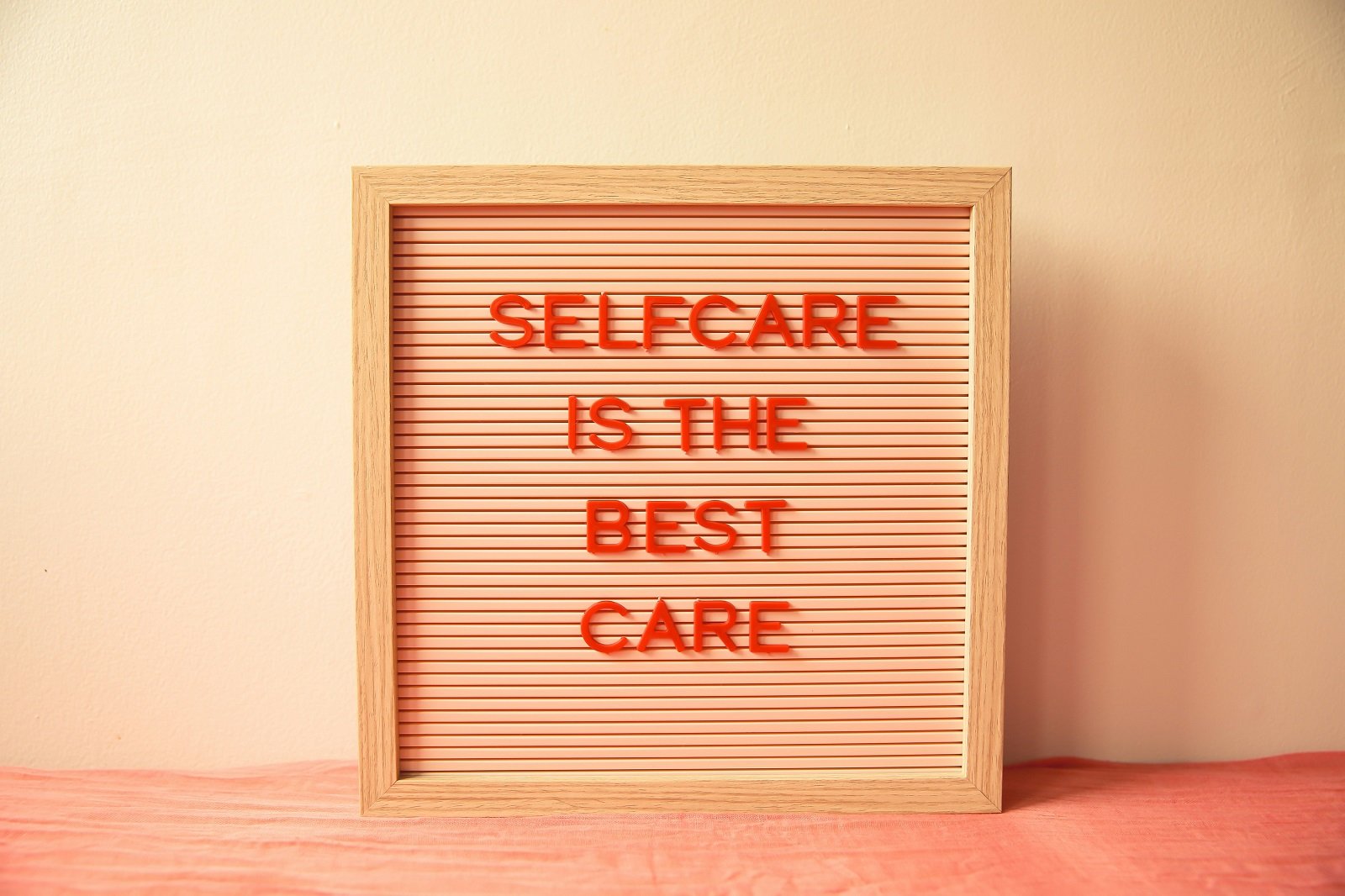
Mental wellbeing is more than the absence of illness—it is the foundation of emotional resilience, clear thinking, strong relationships, and overall quality of life. In a world of constant demands, intentional self-care is one of the most effective ways to protect and strengthen it.
Self-care means deliberately doing things that support both physical and mental health. Research from organizations including the National Institute of Mental Health (NIMH) and the World Health Organization (WHO) shows that consistent, simple habits can reduce stress, lift mood, improve focus, and lower the risk of mental health challenges.
Here are ten high-impact, evidence-supported self-care habits you can start building today.
1. Prioritize Consistent, Quality Sleep
Sleep is non-negotiable for mental health. During rest, the brain processes emotions, consolidates memories, and clears stress-related chemicals. Poor sleep increases irritability, anxiety, and low mood.
How to practice it: Aim for 7–9 hours most nights. Keep a consistent bedtime and wake time, even on weekends. Dim lights and limit screens 30–60 minutes before bed (blue light disrupts melatonin). Create a cool, dark, quiet sleep environment.
2. Move Your Body Regularly
Physical activity is one of the strongest natural mood elevators. Exercise increases endorphins, reduces stress hormones, and supports brain health. Even short walks produce measurable benefits.
How to practice it: Target 150 minutes of moderate activity per week (or 30 minutes most days). Walking, yoga, strength training, dancing, or cycling all count. Start small—10-minute walks after meals—and build from there. Muscle-strengthening activities two or more days a week add extra benefits.
3. Eat Nourishing, Regular Meals and Stay Hydrated
What you eat directly affects energy, focus, and emotional stability. Blood sugar swings and nutrient gaps can worsen anxiety and low mood. A balanced diet supports steady neurotransmitter production.
How to practice it: Focus on whole foods: vegetables, fruits, whole grains, lean proteins, nuts, and legumes. Eat regular meals rather than long stretches without food. Drink water throughout the day and notice how caffeine or alcohol affect your mood—many people feel better when they reduce both.
4. Practice Mindfulness or Simple Relaxation Techniques
Mindfulness and relaxation lower the body’s stress response. Techniques such as deep breathing, progressive muscle relaxation, or short meditations reduce anxiety and improve emotional regulation.
How to practice it: Start with 5–10 minutes daily. Use a free app, follow a guided breathing exercise (inhale for 4 counts, hold for 4, exhale for 6), or simply notice your surroundings without judgment. Schedule it like any other important appointment.
5. Cultivate Gratitude
Regularly noticing what is going well rewires attention away from threat and toward positive experiences. This simple shift is linked to higher wellbeing and lower depressive symptoms.
How to practice it: Each day, write down or mentally note three specific things you are grateful for. They can be small (“the warm coffee this morning”) or large. Consistency matters more than length.
6. Maintain Meaningful Social Connections
Humans are wired for connection. Isolation increases risk of depression and anxiety, while supportive relationships provide emotional buffers and practical help.
How to practice it: Reach out regularly to friends or family—even a short message or call counts. Schedule low-pressure social time. Join a club, class, or volunteer group if your current circle feels limited. Quality matters more than quantity.
7. Spend Time in Nature
Time outdoors reduces stress, improves mood, and restores attention. Even brief exposure to green spaces or natural light delivers benefits.
How to practice it: Aim for at least 10–20 minutes outside most days. Walk in a park, sit by a window with a view of trees, or simply step outside during a break. Combine it with movement or mindfulness for extra impact.
8. Set Boundaries and Manage Priorities
Chronic overcommitment fuels burnout. Learning to protect your time and energy is a powerful form of self-respect and stress prevention.
How to practice it: Decide what truly must be done today versus what can wait. Practice saying “no” or “not right now” when your plate is full. At the end of the day, acknowledge what you did accomplish rather than focusing only on what remains.
9. Limit High-Stress Inputs and Build Healthy Coping
Constant news, social media comparison, and high-pressure environments keep the nervous system on high alert. Deliberately reducing these while adding restorative activities creates balance.
How to practice it: Set specific times to check news or social media. Replace scrolling with a low-stress hobby you enjoy—reading, music, gardening, crafts, or cooking. When stress rises, use a quick coping tool such as a short walk, deep breathing, or talking to someone supportive.
10. Seek Help Early and Treat Mental Health Like Physical Health
Self-care includes knowing when professional support is needed. Persistent changes in sleep, appetite, energy, interest, or mood that last two weeks or more are signals to reach out.
How to practice it: Talk to a primary care provider or mental health professional if symptoms interfere with daily life. Resources such as the 988 Suicide & Crisis Lifeline (call or text 988 in the U.S.) offer free, confidential support 24/7. Early action often prevents bigger problems.
How to Make These Habits Stick
Start with one or two habits that feel most doable. Stack new behaviors onto existing ones (for example, stretch after brushing your teeth or write three gratitudes while drinking morning coffee). Track progress simply—check marks on a calendar work well. Be patient and compassionate with yourself; consistency over perfection creates lasting change.
Self-care looks different for everyone. Experiment to discover what restores you. The goal is not perfection or another item on a to-do list—it is building a sustainable foundation so you can show up for life with more energy, clarity, and emotional steadiness.
Small, repeated actions compound. Begin today with one habit from this list, and notice how your mental wellbeing gradually strengthens. Your mind and body will thank you.