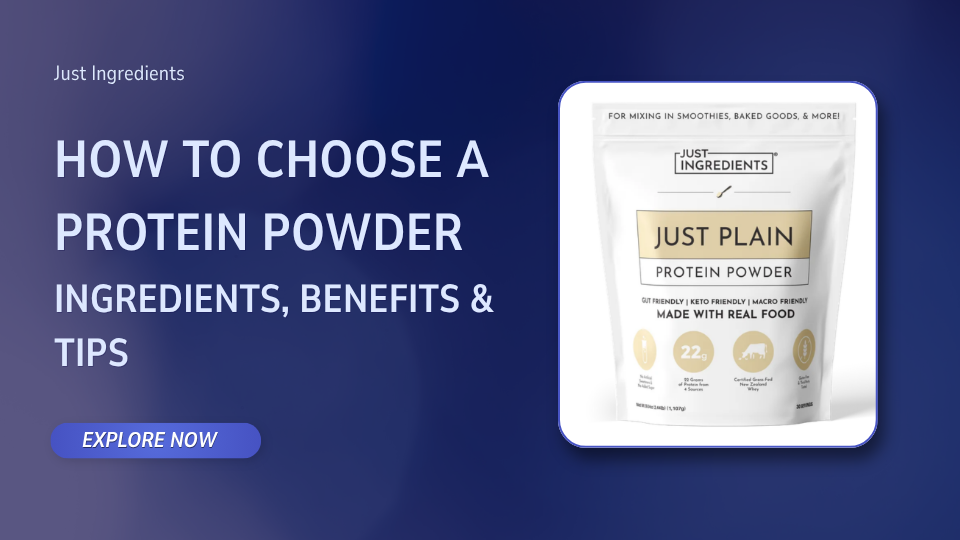
Choosing a protein powder can feel overwhelming when there are so many flavors, ingredients, formulas, and nutritional claims to compare. Whether you want to complement your workout routine, prepare a more filling smoothie, or make your daily nutrition easier, understanding what goes into your protein powder can help you make a more informed decision.
The right choice depends on your dietary preferences, nutritional goals, ingredient sensitivities, and how you plan to use the product. Some formulas contain whey protein, while others use plant-based sources or blends of different proteins. Sweeteners, added ingredients, serving sizes, and cost also deserve attention. Just Ingredients offers protein powders alongside other nutrition products, making it one option to explore when comparing formulas made with recognizable food ingredients.
Why Choosing the Right Protein Powder Matters
Protein supports muscle maintenance, tissue repair, and overall health. Supplements can help people meet their protein needs when meals fall short.
A protein powder is a convenient addition to a balanced diet, but it does not replace the variety of nutrients provided by whole foods.
Before choosing a product, consider:
- Your daily protein needs and usual food intake.
- Whether you prefer dairy-based or plant-based protein.
- Your tolerance for particular ingredients.
- The flavor and texture you enjoy.
- Your budget and the cost per serving.
These considerations can help you narrow down the available options instead of choosing a product based on packaging or popularity alone.
What to Look for in a Protein Powder
1. Compare Protein Sources
Different protein sources offer different nutritional profiles and suit different dietary preferences.
Whey protein comes from milk and provides all nine essential amino acids. It is commonly used by people looking to supplement their protein intake around exercise or throughout the day.
Plant-based options may include pea, soy, rice, or other plant proteins. Some products combine multiple sources to provide a broader range of amino acids.
Check the ingredient label to understand which proteins are included. If you have a milk allergy, remember that whey and other milk-derived ingredients are not suitable choices.
2. Read the Full Ingredient List
The front of a package rarely tells you everything you need to know about a product. Review the complete ingredient list and nutrition facts panel before making a decision.
Pay attention to:
- Protein per serving.
- Added sugars and sweeteners.
- Calories and serving size.
- Allergens and potential sensitivities.
- Additional ingredients, such as flavorings or added nutrients.
A shorter ingredient list is not automatically better for everyone. What matters is whether the ingredients suit your dietary requirements and preferences.
3. Consider Flavor and Everyday Use
A protein powder is more practical when you enjoy using it regularly. Vanilla and chocolate are versatile options for smoothies, while other flavors may work well in milk-based drinks, oatmeal, or baking recipes.
Unflavored varieties can be useful when you want to add protein without significantly changing the taste of a recipe.
Consider how you intend to prepare each serving. Mixing instructions, liquid requirements, and texture can influence whether a product fits your routine.
How Just Ingredients Fits Your Protein Needs
Just Ingredients is a nutrition and wellness brand offering protein powders, supplements, electrolytes, sports nutrition products, and other wellness essentials.
Its protein range emphasizes real-food ingredients and includes formulas made with multiple protein sources. Depending on the variety, these may include grass-fed whey, pea protein, chia seed protein, pumpkin seed protein, and collagen.
The brand also highlights ingredient transparency and third-party testing. These are useful factors to investigate when comparing nutritional products, although individual formulas should always be assessed on their own labels and available testing information.
Just Ingredients may be worth considering if you want to compare flavored protein powders with formulas that use several protein sources. Your decision should still depend on your dietary needs, allergies, nutritional goals, and budget.
Protein Powder Options Worth Comparing
Chocolate Protein Powder
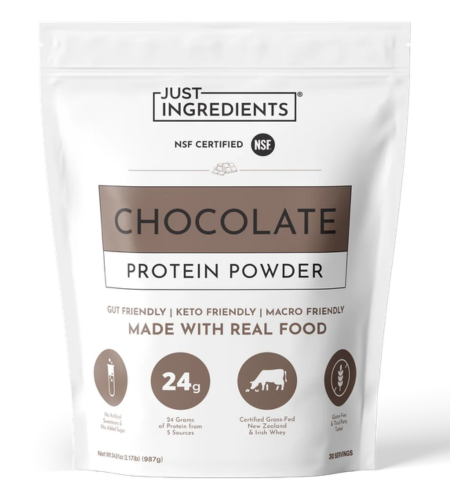
Just Ingredients Chocolate Protein Powder combines whey, pea, pumpkin seed, collagen, and chia seed proteins with organic cacao and sweetening ingredients. Check the current nutrition label for protein content, serving size, and ingredients before purchasing.
Maple Protein Powder
Maple Protein Powder is another option for people who prefer a sweeter, maple-inspired flavor.
Its listed ingredients include grass-fed whey protein, maple powder, coconut milk, collagen, pea protein, chia seed protein, and other ingredients. The product contains dairy, so it is not suitable for people who must avoid milk proteins.
Plain Protein Powder
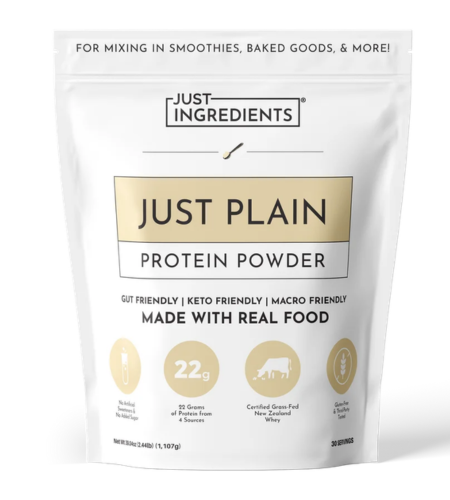
An unflavored or plain protein powder can provide greater flexibility in recipes. You can add it to smoothies, oatmeal, or suitable baked goods without introducing a strong chocolate or fruit flavor.
When comparing a plain formula, check whether it contains sweeteners, flavoring ingredients, or additional protein sources rather than assuming it contains only one ingredient.
Pricing, Value, and Product Quality
Price matters, but the lowest-priced container is not always the most economical option. Compare the total cost, number of servings, protein per serving, and ingredients before deciding which product offers the best value for your needs.
Just Ingredients lists different protein powder varieties at different prices, and prices may change over time. Check the current product listing for updated pricing, availability, serving information, and shipping terms.
Third-party testing and accessible product information can also help you evaluate a supplement. Look for testing documentation relevant to the specific formula rather than relying on general brand statements alone.
Pros and Cons to Consider
Potential advantages
- Convenient way to supplement dietary protein.
- Different flavors and formulas to compare.
- Options containing multiple protein sources.
- Ingredient information that can help guide product selection.
Potential limitations
- Some formulas contain dairy or other common allergens.
- Premium products may cost more than alternatives.
- Flavors and textures may not suit everyone.
- Protein powders cannot replace a varied, balanced diet.
Your individual requirements matter more than any general product ranking.
Frequently Asked Questions
Is protein powder necessary every day?
No. Many people can meet their protein needs through food. A supplement may be convenient when your regular meals do not provide enough protein for your individual needs.
Is whey protein better than plant protein?
Neither is automatically better for everyone. Whey provides all essential amino acids, while plant-based formulas vary in their protein sources and nutritional profiles. Choose according to your dietary needs and preferences.
Can I add protein powder to a smoothie?
Yes. Many protein powders can be mixed into smoothies with ingredients such as fruit, milk, or suitable milk alternatives. Follow the product’s preparation instructions.
How should I choose a protein powder for exercise?
Consider your overall protein intake, exercise routine, dietary preferences, and the protein content per serving. A supplement should complement your meals rather than replace balanced nutrition.
Are Just Ingredients protein powders suitable for everyone?
No single formula suits everyone. Check the ingredient list for allergens, dietary restrictions, and personal sensitivities. Consult a qualified healthcare professional if you need individualized nutritional advice.
Unlock 15% Off With This Exclusive Code
Conclusion
Choosing a protein powder becomes easier when you focus on protein sources, ingredient transparency, flavor, dietary compatibility, and overall value. The best option is one that fits your routine and complements a balanced diet without unnecessary expense.
Just Ingredients offers several protein powder varieties worth comparing, including chocolate, maple, and plain options. Review each product’s current ingredients, nutrition facts, and price to determine whether it matches your needs.
Explore the official Just Ingredients store to compare available protein powders and make an informed choice based on your preferences.