Lifestyle is shifting. After years of hustle culture, constant connectivity, and one-size-fits-all self-improvement, people are choosing something quieter, more intentional, and deeply personal. In 2026, the biggest lifestyle changes center on presence over productivity, prevention over reaction, and real-world texture over endless digital noise.
Here are the emerging lifestyle trends worth paying attention to right now—and how you can start weaving them into your own life.
1. Slow Living Replaces Hustle Culture
The relentless optimization of every hour is losing its appeal. Slow living—once a niche idea—has moved mainstream. People are deliberately lengthening their days, softening rigid routines, and treating rest as a non-negotiable practice rather than a reward.
This shows up as longer mornings without screens, fewer packed calendars, and a preference for depth over speed in work and relationships. The goal is not laziness; it is sustainable energy and clearer priorities.
How to try it: Protect one “unscheduled” block each week. Start small—maybe a phone-free Sunday morning or a weekly walk without podcasts. Notice how your nervous system responds when you stop treating every moment as a productivity opportunity.
2. Digital Minimalism and Analog Maximalism
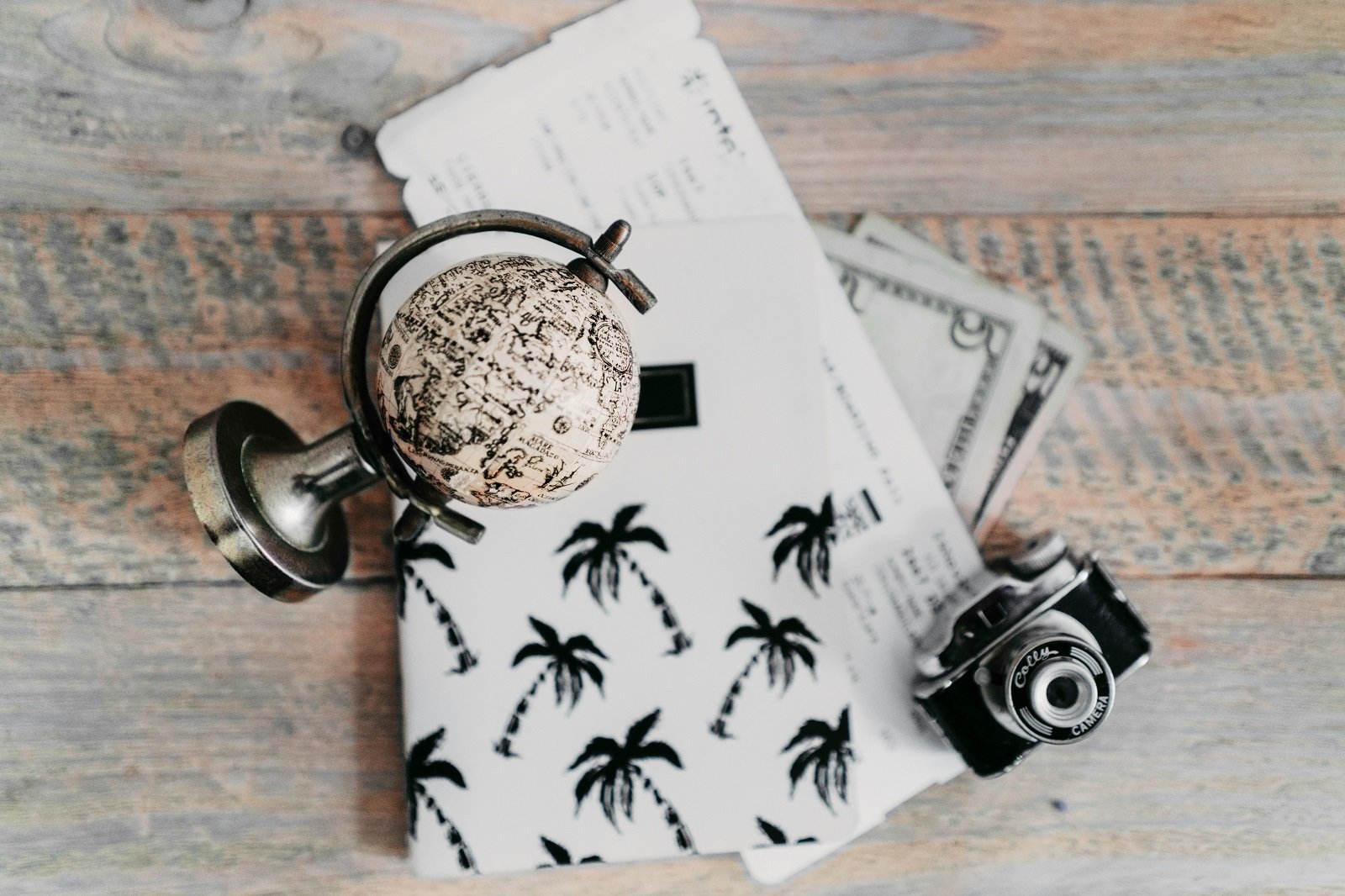
As AI saturates daily life, the new status symbol is the ability to go offline without consequences. Digital minimalism is rising alongside a full embrace of analog pleasures: paper books, film cameras, handwritten journals, board games, vinyl, and in-person hobbies that leave no digital footprint.
Younger generations especially are pushing back against always-on phones. The result is a growing appreciation for “digital privilege”—the freedom to disconnect while still functioning in the modern world.
How to try it: Create tech-free zones or hours at home. Reintroduce one analog hobby this month (sketching, knitting, cooking from a physical cookbook, or simply sitting with a cup of tea without scrolling). Many people report better focus and lower anxiety within weeks.
3. Longevity as Everyday Lifestyle (Not Just Biohacking)
Longevity has moved from extreme biohacking into practical daily habits. People are prioritizing metabolic health, brain wealth, sleep quality, and preventive testing. Annual bloodwork is getting smarter, personalized nutrition is more accessible, and “glowcations” (wellness-focused travel designed for recovery and reset) are replacing pure vacation escapism.
Mental and emotional fitness are treated with the same seriousness as physical training. The focus is steady regulation—light, movement, nature, fewer inputs—rather than high-maintenance protocols that burn people out.
How to try it: Track patterns instead of single data points (sleep quality over a month, energy after certain meals). Consider one preventive step this year, such as a more comprehensive health check or consistent strength training. Build recovery rituals into your home so your space supports restoration rather than constant stimulation.
4. Intentional Consumption and Experience-First Living
Conscious consumption continues to grow. Shoppers care more about brand trust, sustainability, durability, and values alignment. At the same time, many are choosing experiences—travel, skill-building, small gatherings, and meaningful time with people—over accumulating more objects.
This pairs with “hobby culture”: people are investing time and modest money into skills and communities that create lasting satisfaction rather than fleeting dopamine hits from purchases.
How to try it: Before buying, ask whether the item will still matter in a year. Redirect some of that budget or energy toward an experience or a skill class. Small, frequent celebrations of ordinary life (a well-cooked meal, a local outing, a shared project) often deliver more lasting satisfaction than big purchases.
5. Solo Culture and the Rise of Personal Autonomy
Solo living, solo travel, and independent creative projects are gaining cultural respect. People are building “individual empires”—personal brands, side projects, or simply a strong sense of self-direction—while still valuing selective community.
This is not isolation. It is autonomy first, connection second. Many are designing lives that work well alone and then choosing when and how to collaborate or socialize.
How to try it: Schedule regular solo time that feels restorative rather than lonely. Practice making small decisions based purely on your own preferences. Strengthen one-on-one connections instead of defaulting only to large group socializing.
6. Nature-Based Healing and Biophilic Everyday Design
Spending time in nature is no longer just a nice idea—it is treated as a core regulatory tool for the nervous system. Biophilic design (bringing natural elements, light, plants, and natural materials into homes and workplaces) is becoming standard in wellness-minded spaces.
People are seeking outdoor movement, forest bathing-style practices, and home environments that calm rather than overstimulate.
How to try it: Add living plants or better natural light to the rooms you use most. Make outdoor time non-negotiable a few times a week, even if it is just a short walk. Notice the difference in mood and focus when your environment contains more natural cues.
7. Holistic Personal Care and Beauty-Meets-Wellness
Personal care is expanding beyond appearance. Skincare, nutrition, and daily rituals are increasingly viewed through the lens of whole-self wellness—metabolic health, stress regulation, and authenticity. Hyper-personalized and tech-supported options are growing, but so is a preference for simpler, more transparent products and routines.
How to try it: Audit your current routine for what actually supports how you feel, not just how you look. Experiment with one functional or ritual-based addition (consistent morning sunlight, a simple wind-down routine, or ingredients that support gut or sleep health).
Why These Trends Matter
These shifts share a common thread: people are tired of performing optimized versions of themselves. They want steadier days, clearer boundaries with technology, better long-term health, and lives that feel textured and real.
You do not need to adopt every trend. The most useful approach is selective and personal. Notice which of these ideas create a sense of relief or curiosity when you read them. Start there.
The lifestyle that works in 2026 is less about chasing the next big thing and more about choosing what protects your attention, energy, and sense of meaning over time. Small, consistent choices compound. The people who thrive will be those who design their days with intention rather than defaulting to the loudest cultural signals.
Which of these trends already resonates with you? Starting with one small experiment is often more powerful than overhauling everything at once.